Important Tips for Generator Repair: Keep Your Power Running Efficiently
Making sure a generator operates optimally demands a solid understanding of its design and operation. Regular maintenance is essential to prevent typical faults that can interrupt power supply. From oil replacements to air filter maintenance, these tasks can prolong the generator's service life. However, recognizing when a problem arises is just as critical. What measures should be implemented when confronted by ignition problems or unexpected sounds? The guidance ahead will offer direction on effective generator upkeep and troubleshooting techniques.
Exploring Your Generator: Types and Functions
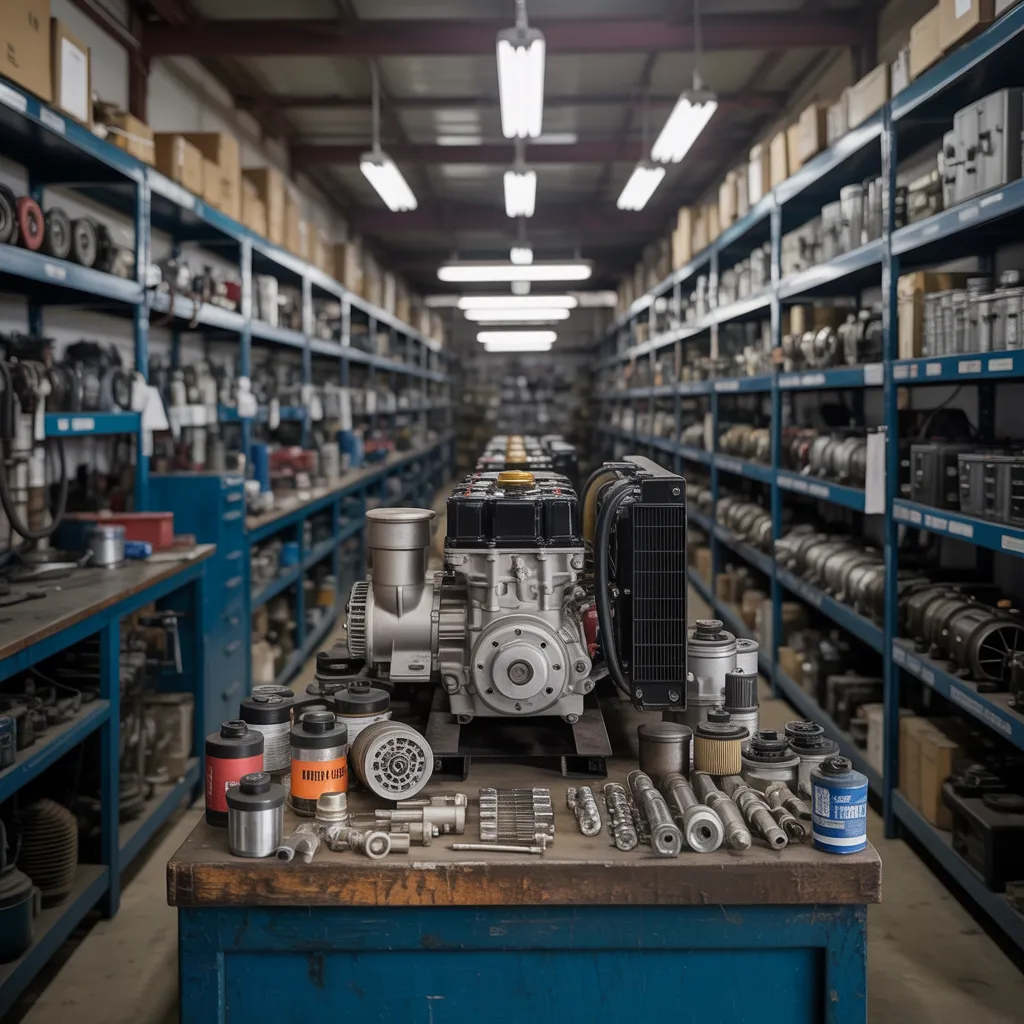
Generators serve as vital sources of power in various situations, from residential use to industrial applications. They fall broadly into two categories: portable and standby types. Portable generators tend to be smaller units built for temporary use, making them a great choice for camping, tailgating, or serving as emergency backup during outages. These generators offer convenience and flexibility, enabling users to transport them with ease whenever necessary.
Standby generators, in contrast, are permanently mounted and automatically turn on during power outages. They are typically integrated into the home's electrical system, offering a smooth transition to backup power. Across these categories, generators are capable of operating on various fuel types, such as gasoline, diesel, propane, or natural gas, with each option carrying its own set of benefits and drawbacks.
Comprehending the numerous kinds and purposes of generators is crucial for choosing the ideal equipment for particular requirements, ensuring stability and productivity in energy delivery.
Understanding Common Generator Concerns
Detecting generator faults in a timely manner can prevent further complications and secure reliable performance. Typical generator issues frequently present as strange sounds, difficulty starting, or uneven power delivery. A generator experiencing starting difficulties might suggest a depleted battery, fuel complications, or a malfunctioning ignition system. Unusual sounds, such as grinding or rattling, could suggest mechanical wear or loose components, demanding immediate inspection.
Electrical surges commonly suggest problems with the voltage regulator or various electrical elements, affecting overall efficiency. Furthermore, generators can produce emissions or strong scents, pointing to combustion issues or thermal problems, which necessitate prompt intervention. Consistently monitoring oil conditions, fuel supplies, and air filtration can assist in recognizing these issues before they escalate. By understanding these common symptoms, equipment operators can adopt forward-thinking strategies to ensure their devices continue to perform reliably, ultimately extending its lifespan and reliability.
Critical Maintenance Strategies for Preserving Your Generator's Long-Term Performance
Servicing a power generator is essential for ensuring its extended lifespan and ideal functioning. Routine oil maintenance and properly maintained air filters play a significant role in minimizing buildup and wear. These basic procedures can greatly increase the longevity of the generator, making them essential components of effective upkeep.
Regular Oil Changes
One of the most critical elements of generator maintenance is the need for regular oil changes. This practice ensures that the engine performs smoothly and reliably by limiting friction and protecting against wear. Over time, oil can be compromised by debris, metallic particles, and combustion residue, causing diminished performance and potential harm. It is widely advised to perform an oil change every 100 hours of use or no less than annually, whichever occurs sooner. Selecting the appropriate type and grade of oil, as recommended by the manufacturer, is essential for optimal performance. Ignoring this upkeep responsibility can cause overheating, elevated fuel usage, and ultimately, generator breakdown. Regular oil changes are crucial for extending the lifespan of the generator.
Pure Air Filters
Maintaining clean air filters is crucial to maximize a generator's efficiency and lifespan. Air filters act as a barrier against dust and debris reaching the engine, which may result in inefficient combustion and costly damage. Regular inspection and cleaning of the air filters are vital, especially in environments with high dust levels. It is recommended to check filters every few months and replace them if they show signs of wear or excessive dirt buildup. A clean air filter improves airflow, improving fuel economy and lessening the burden on the engine. This simple maintenance task can greatly extend the life of the generator, ensuring it operates smoothly when needed. By focusing on keeping air filters clean, owners can protect their investment in visit now a dependable and high-performing generator.
Step-by-Step Problem-Solving Techniques
Diagnosing generator issues requires a structured approach to identify and resolve issues successfully. The first step involves checking the power source. If the generator refuses to start, verify the fuel tank is sufficiently stocked and the fuel is uncontaminated. Next, inspect the oil level; a lack of oil can initiate automatic shutdowns. Following this, examine the battery connections for deterioration or poor connections. If the generator runs but produces no power, it is essential to check the circuit breaker and fuses.
Moreover, examine the spark plug for wear or damage, as a damaged spark plug can hinder proper ignition. If the unit makes strange sounds, this may point to internal issues requiring further investigation. Lastly, referencing the instruction manual for detailed troubleshooting instructions can offer customized solutions. By implementing these steps, users can thoroughly pinpoint and correct typical generator malfunctions, guaranteeing reliable performance when needed.
Observe Safety Guidelines for Generator Repairs
When repairing a generator, following safety precautions is essential to prevent accidents and injuries. As a first step, confirm that the generator is switched off and unplugged from any power supply. This minimizes the risk of electric shock. Using personal protective equipment, including gloves and safety glasses, can help protect against potential dangers. It is advisable to work in a well-ventilated area to avoid inhaling harmful fumes from fuel or exhaust.
Furthermore, storing a fire extinguisher close by is crucial, as generators can present fire hazards. Maintenance workers should also be careful when managing fuel, making sure that any spills are addressed immediately to reduce the chances of accidents and fires. To conclude, having a first aid kit readily available can be helpful in case of minor mishaps. By observing these precautions, workers can create a safer environment while conducting generator maintenance, guaranteeing both their well-being and the integrity of the equipment.
When Should You Call a Pro for Generator Repairs?
Generator fixes can often be tackled by experienced individuals, but certain situations warrant the expertise of a professional. When a generator does not start following standard troubleshooting steps, this could point to underlying problems that demand expert understanding. Additionally, persistent unusual noises or vibrations can signal mechanical problems that could worsen without expert intervention.
Electrical failures, such as blown fuses or damaged wiring, pose serious safety risks and must be handled by a certified professional. If the generator has fuel or oil leaks, prompt expert help is necessary to eliminate the threat of fire dangers. Finally, if the generator remains covered by a warranty, attempting repairs independently may void coverage, making professional service a prudent choice. Recognizing these scenarios guarantees the generator operates safely and efficiently, maintaining its durability and performance.
Getting Your Generator Ready for Seasonal Changes
With changing seasons, readying a generator for diverse weather conditions is critical to ensure optimal performance. Regular maintenance should be scheduled before seasonal shifts, emphasizing tasks relevant to the coming climate. For winter preparation, confirming proper fuel stabilization and battery health is critical, as colder temperatures can affect performance. Moreover, examining the oil levels and swapping filters assists in reducing complications during demanding usage.
By comparison, preparing for summer includes evaluating cooling systems, as rising temperatures can result in overheating. Clearing air filters and examining ventilation pathways are essential for optimal airflow.
Year-round, you should perform routine load testing on the generator to verify functionality. This approach not only identifies potential problems but also assures reliability when needed. Finally, safeguarding the generator from extreme elements, such as rain or snow, by using appropriate covers or housing can significantly prolong its service life and sustain peak operating efficiency.
Commonly Asked Questions
How Frequently Should I Operate My Generator for Maintenance?
Generators should be run a minimum of once monthly for maintenance. Regular operation helps keeping fuel in good condition, lubricates internal components, and uncovers potential concerns, providing consistent performance when necessary, thus extending the generator's service life.
Can My Generator Be Used Indoors?
Indoor use of generators should always be avoided because of the danger of carbon monoxide poisoning. Proper ventilation is essential, so they must be operated outdoors in well-ventilated areas to guarantee safety and prevent harmful gas accumulation.
What Type of Fuel Should I Use for My Generator?
The ideal fuel for a generator typically includes gasoline or diesel fuel, based on the specific model. Proper fuel choice ensures optimal performance, efficiency, and a longer lifespan, as well as taking into account storage and environmental factors.
What Are the Best Practices for Storing My Generator Safely?
To safely store a generator, guarantee it is clean and dry, remove fuel to prevent degradation, shield it with a durable tarp, and keep it in a well-ventilated, dry area away from flammable materials.
Is There a Warranty Available for Generator Repairs?
A number of generators come with manufacturer warranties that address repairs for specific periods. That said, the scope of coverage differs between manufacturer and model, so be sure to examine the terms of the warranty for details on covered repair services.